Introduction: Understanding Website Copy as a Sales Tool
In today’s digital market, effective communication is paramount, and your website copy serves as a crucial element of this strategy. Think of website copywriting as a digital salesperson that works tirelessly around the clock to engage potential customers and lead them through the sales process. Just as an adept salesperson uses persuasive techniques to influence buyer behavior, well-crafted website copy can significantly impact prospective clients’ decisions, guiding them smoothly along their journey towards making a purchase.
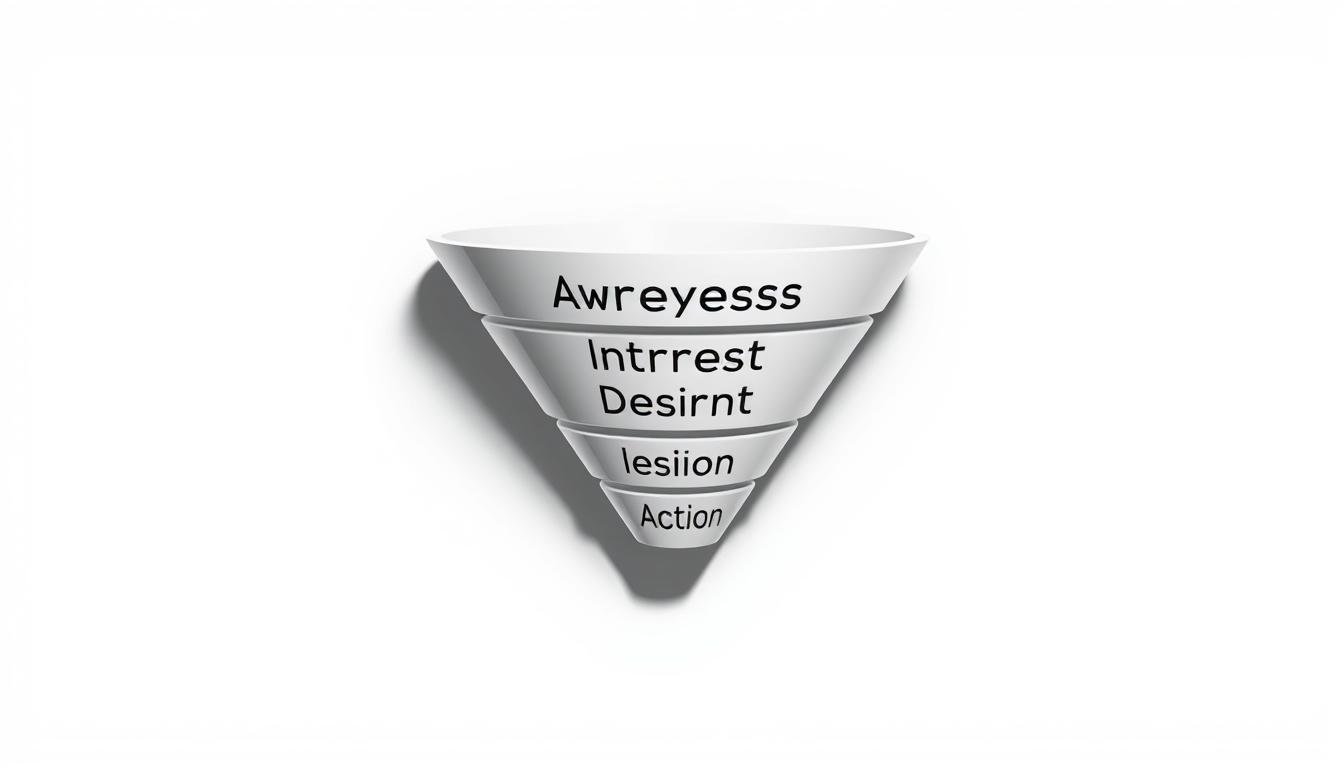
Website copy is not just about presenting information; it is an essential tool in your online sales funnel. Crafting compelling sales copy requires an understanding of your target audience, including their pain points, motivations, and desires. The language you choose and the way you present your offerings can either captivate your visitors or turn them away. Effective copywriting goes beyond mere descriptions of products or services; it aims to evoke an emotional response, encouraging potential customers to take action, such as signing up for a newsletter, requesting more information, or completing a purchase.
It is important to conduct regular assessments of your website copy to ensure it resonates well with your audience. By identifying areas for improvement, you can create conversion-focused writing that not only informs but also inspires action. In this blog post, we will delve into various strategies for optimizing your website copy, ensuring that it works effectively like a skilled salesperson. Evaluating how your copy communicates your unique selling propositions will also be essential in determining its effectiveness. Ultimately, enhancing your website copy can yield higher conversion rates and contribute significantly to your overall sales performance.
The Role of Website Copy in User Experience
Website copy plays a crucial role in shaping user experience, serving not only to inform but also to engage visitors. When done effectively, website copy can guide users through their journey, influencing their actions and decisions along the way. Clear and concise language is paramount in achieving this goal. If users encounter confusing or convoluted text, it may lead them to abandon the site, thus negating the overall purpose of the online presence.
Engagement is another vital aspect of successful website copy. Content that resonates with the target audience not only captures attention but also retains it. Crafting sales copy that speaks directly to the pain points and desires of potential customers fosters a connection that encourages further exploration of the website. Engaged users are more likely to navigate through the site, increasing the chances of conversion.
Ease of navigation is also enhanced by well-structured website copy. Clear headings, bullet points, and concise paragraphs allow users to digest information quickly. This structure not only improves readability but also aids in directing users through the online sales funnel effectively. When visitors can easily find relevant information, they are less likely to feel overwhelmed or frustrated, thereby contributing to a positive experience.
Incorporating calls-to-action (CTAs) within the sales copy is essential for prompting users to take the next steps, whether that be completing a purchase, signing up for a newsletter, or reaching out for more information. A strategically placed CTA can significantly enhance the effectiveness of website copy, serving as a roadmap that guides users toward their intended goals.
In conclusion, the impact of website copy on user experience cannot be overstated. By prioritizing clarity, engagement, and navigability through effective copywriting, businesses can ensure that their websites function optimally, ultimately leading to increased conversions and customer satisfaction.
Identifying Your Target Audience
In the realm of website copywriting, understanding your target audience is paramount to creating impactful content. Your online sales funnel’s effectiveness largely hinges on the ability to resonate with potential customers. By identifying key audience demographics such as age, gender, income level, and education, you can tailor your sales copy to meet their specific needs and preferences.
To facilitate this process, conducting thorough market research is essential. This could involve surveys, questionnaires, and social media analytics to gather insights about your audience’s interests and behaviors. Understanding their pain points is particularly crucial; addressing customer challenges in your copy positions your product or service as a viable solution. For example, if your audience struggles with a specific issue that your offerings can solve, highlighting this in your conversion-focused writing can significantly enhance engagement and lead generation.
Additionally, utilizing customer personas can streamline this identification process. A customer persona is a semi-fictional representation of your ideal customer based on market research and real data about existing customers. Crafting personas allows you to visualize who you are addressing in your website copy, and helps to ensure that your messaging aligns with their goals and motivations.
Ultimately, the alignment of your website copy with the interests and pain points of your target audience can drive higher conversion rates. By embracing data-driven strategies to identify demographics and preferences, your sales copy will be more effective in guiding potential customers through the online sales funnel. Investing time in knowing your audience not only improves your copy but also cultivates stronger relationships between your brand and your customers.
Crafting Compelling Headlines and CTAs
Headlines and calls-to-action (CTAs) are pivotal elements in effective website copywriting. They serve as the first contact point between potential customers and your brand, making it essential to invest time and effort in crafting them carefully. A compelling headline grabs the reader’s attention, enticing them to delve deeper into your content. It is crucial that headlines are not only attention-grabbing but also relevant to the topic at hand, creating a clear expectation of what is to follow.
To create headlines that resonate with your target audience, consider employing action-oriented language. Using strong verbs and promising benefits can significantly enhance engagement. For instance, instead of a bland title like, “Our Services,” you might opt for “Transform Your Business with Our Tailored Solutions.” This approach not only captures attention but also hints at the potential advantages of engaging with your offerings, setting the stage for further exploration of your website.
In tandem with headlines, well-crafted CTAs play a crucial role in guiding user behavior. They should be clear, concise, and persuasive, providing users with a compelling reason to take action. Phrases such as “Get Started Today” or “Join Our Community Now” create a sense of urgency and encourage immediate engagement. Additionally, the placement of CTAs within your content can influence their effectiveness. Positioning them strategically—either at the end of a compelling article or throughout the site in contextually relevant locations—ensures they catch the eye at just the right moment.
Lastly, testing and optimizing both headlines and CTAs is a vital part of conversion-focused writing. Employ A/B testing to evaluate which versions yield higher engagement and conversion rates, allowing you to refine your sales copy continually. The goal is to create a seamless online sales funnel where each element effectively leads the visitor closer to making a purchase or taking the desired action.
Using Storytelling to Connect with Your Audience
In the realm of website copywriting, the art of storytelling has emerged as a pivotal technique to engage and resonate with potential customers. Storytelling in sales copy transcends mere information dissemination; it creates a narrative that encapsulates the brand’s values and mission. This narrative not only serves to inform but also to humanize the brand, making it more relatable to the audience. By presenting relatable stories, brands can forge emotional connections that significantly enhance their appeal.
Human beings are inherently drawn to stories. In fact, studies have shown that compelling narratives can evoke emotional responses, enhancing retention and recall of information. When website copy integrates storytelling effectively, it acts as a catalyst for conversion-focused writing. Potential customers are much more likely to remember a brand that told an engaging story compared to one that presented dry facts and figures. For instance, a brand might share a customer’s journey who faced a common problem that the product subsequently solved. This approach not only showcases the product’s effectiveness but also makes the audience feel understood and valued.
Moreover, integrating storytelling into an online sales funnel can guide potential customers through a series of touchpoints, building anticipation and desire for the product. Each part of the funnel can incorporate different elements of the story, from the challenges faced by the protagonist to the transformative effects of the product or service. This method cultivates an environment where potential customers feel empowered to take action, leading to an increase in conversions. Ultimately, when website copy incorporates storytelling, it crafts an immersive experience that can drive the audience toward making purchase decisions.
Testing and Analyzing Your Website Copy
When it comes to website copywriting, ensuring that your content is effective in driving conversions is paramount. Testing and analyzing your website copy allows for a rigorous evaluation of its performance, which is essential for optimizing your online sales funnel. A/B testing is one of the most effective methods to gain insights into how different versions of your sales copy resonate with users. This involves creating two variations of the same copy, altering elements such as headlines, calls to action, or overall messaging, and then measuring which version leads to higher engagement and conversions.
Implementing A/B testing can reveal valuable data regarding user preferences, helping you refine your sales copy further. By segmenting your audience and targeting specific demographics, you can ascertain which message resonates best with different segments, leading to a more tailored and effective conversion-focused writing strategy. Additionally, gathering user feedback through surveys or usability testing can provide qualitative insights that reveal users’ perceptions of your copy, offering a deeper understanding of their needs and expectations.
Furthermore, it is important to assess key performance indicators, such as conversion rates and bounce rates, to determine the overall effectiveness of your website copy. Analyzing these metrics will help identify areas that may require improvement, allowing you to take informed actions that can enhance user experience and increase engagement. By continuously reviewing this data, you can adapt and evolve your website copywriting to not only meet but exceed the expectations of your audience. In today’s competitive online landscape, leveraging testing and analysis is essential for optimizing your sales copy and ensuring your website serves as an effective salesperson that drives meaningful results.
SEO and Website Copy: Finding the Balance
In the realm of digital marketing, the synthesis of search engine optimization (SEO) and compelling website copy is crucial for establishing an effective online presence. Website copywriting serves as the backbone for conveying a brand’s message, while also playing an instrumental role in attracting organic traffic through improved search engine rankings. The challenge lies in striking the perfect balance between crafting engaging, conversion-focused writing and embedding essential keywords to enhance searchability.
Integrating SEO strategies into website copy should not compromise the readability or the authenticity of the content. Instead of excessive keyword usage, a more prudent approach is to employ synonyms and semantic variations. This maintains a natural flow that appeals to both the reader and search engines. For instance, when discussing online sales funnels, phrases like “digital purchase pathway” could effectively serve as an alternative to avoid redundancy while optimizing the content.
Additionally, it is advisable to focus on keyword placement within the text. Hosting important terms at crucial points—such as headings, the first paragraph, and throughout the body—can enhance the likelihood of ranking higher in search engine results. However, it is vital to ensure these keywords are cohesively woven into the copy, so that the content remains engaging and informative.
Varying sentence structure and integrating calls-to-action can further stimulate reader engagement and guide them through the sales copy. This not only helps in optimizing the website for better performance but also keeps visitors invested in the content. When executed carefully, this balance of SEO and compelling copy can significantly boost conversion rates, transforming visitors into loyal customers.
Examples of Effective Website Copy
Effective website copy can significantly influence consumer behavior, guiding them down the online sales funnel and converting them into paying customers. To illustrate this, several exemplary cases from varying industries demonstrate how strategic website copywriting can successfully engage and persuade visitors.
One notable example is Airbnb, a platform specializing in short-term lodging. Their website copy is captivating and inviting, using powerful imagery coupled with compelling narratives. For instance, instead of merely stating the features of a property, the copy often emphasizes experiences, such as “Relax with a cup of coffee on your private terrace overlooking the ocean.” This approach creates an emotional connection and enables visitors to visualize themselves in the space, effectively enhancing conversion rates through their sales copy.
Similarly, the online retailer Warby Parker employs conversational and relatable website copy to connect with its audience. By addressing the common concerns of customers, such as the difficulty of finding the perfect pair of glasses, their copy provides solutions in a straightforward manner. Phrases like “Home Try-On: Pick 5 pairs to try for free” demonstrate usability while incorporating the benefits. This method serves as a clear pathway through the sales funnel, allowing potential buyers to engage without feeling overwhelmed.
In the field of nonprofit organizations, Charity: Water stands out with its impactful storytelling. Their website copy contains statistics and narratives that highlight the global water crisis, making the cause urgent and personal. By employing compelling calls to action like “Join us in bringing clean water to those in need,” their content effectively motivates visitors to contribute, showcasing the power of purpose-driven conversion-focused writing.
These examples underscore the essential qualities of effective website copy: relatability, clarity, and emotional engagement. By considering these factors, businesses can refine their own website copywriting to optimize user experience and enhance overall conversions.
Conclusion: Evaluating and Improving Your Website Copy
As we reflect on the crucial role that effective website copy plays in business growth, it becomes abundantly clear that your copy serves as a virtual salesperson. An effective sales copy not only engages visitors but significantly influences their decisions, leading to higher conversion rates. Therefore, evaluating and improving your website copy should be a priority for any business aiming to thrive in today’s competitive landscape.
Firstly, it is important to assess your current website copy for clarity and engagement. Are your headlines compelling enough to draw in potential customers? Is your sales copy structured in a way that guides the reader through an effective online sales funnel? Each piece of content should appeal to your target audience while clearly articulating the value of your products or services. Conducting thorough audience analysis can help you tailor your messaging to resonate with their specific needs and desires.
Moreover, consider testing different variations of your website copy, a process known as A/B testing. This technique allows you to compare the performance of different headlines or calls to action to determine which resonates better with your audience. By gradually introducing changes and measuring their impact on conversion-focused writing, you can enhance overall effectiveness and drive more sales.
Lastly, it is vital to routinely update your website copy to reflect changes in your business or market trends. Keeping your content relevant and up-to-date not only positions you as an authority in your field but also ensures that visitors receive the most accurate information without confusion. Remember, effective website copy is not static; it evolves based on customer needs and market dynamics. Ultimately, by prioritizing and refining your website copy, you set the groundwork for business success and sustainable growth.