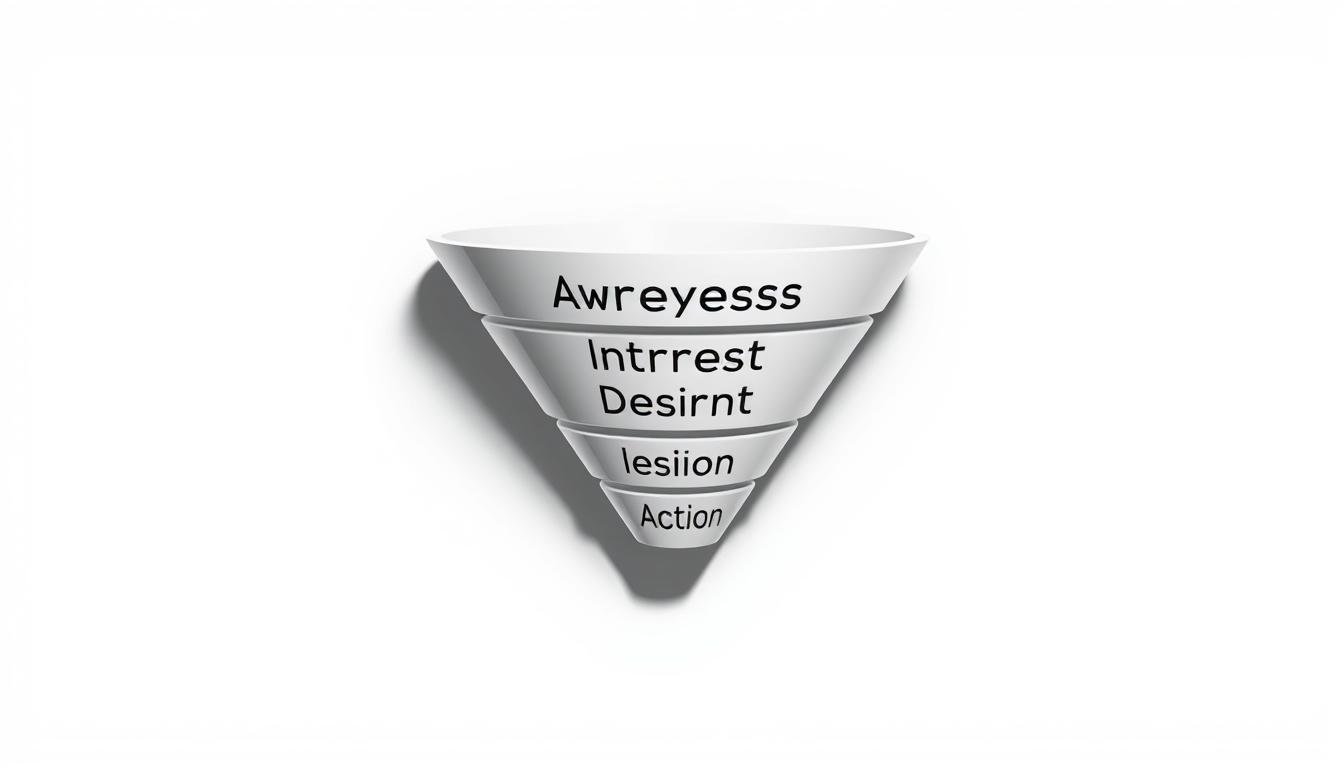
Before I start writing, it’s key to have a clear plan. I need to know what my content’s purpose is. A pre-copywriting checklist helps make sure my content is good and complete.
When I’m ready to create content, I think about a few important things. A good content strategy is essential to connect with my audience. Asking the right questions before I publish helps me make my content better and reach my goals.
Key Takeaways
- Having a clear plan is important before starting to write.
- A pre-copywriting checklist ensures content is relevant and effective.
- Understanding the content’s purpose is vital.
- A well-planned content strategy resonates with the target audience.
- Asking the right questions refines the content and achieves goals.
Understanding the Importance of a Copywriting Checklist
A copywriting checklist is key for any writer wanting to improve their work. It’s a detailed guide to check all important content creation points before it’s published.
Why I Need a Checklist
I need a checklist to make my writing smoother and keep my content consistent. It helps me check my work step by step and make any needed changes.
This method saves me time and keeps my quality high. It’s a way to catch and fix problems before they get worse.
How It Enhances My Writing
A copywriting checklist gives me a clear plan to follow. It makes sure I remember to understand my audience, write catchy headlines, and include strong calls to action.
Using a checklist means my content will be not just interesting but also effective. It can aim to educate, convince, or entertain, as needed.
Avoiding Common Mistakes
One big plus of a copywriting checklist is avoiding common mistakes. These can include spelling errors, unclear writing, or not connecting with the audience.
By carefully checking my checklist, I can spot and fix these problems early. This leads to content that works well and meets its goals.
Defining My Target Audience

Knowing who my target audience is lets me write copy that meets their needs. I need to picture my ideal reader clearly. This means understanding their age, goals, and what they struggle with.
Creating a customer avatar is key. It’s about knowing my audience’s age, gender, job, and more. This helps me see their problems and how I can solve them with my words.
Key Elements of a Customer Avatar Profile:
- Demographics: age, gender, occupation, etc.
- Pain Points: challenges they face, their concerns, and fears
- Goals: what they aspire to achieve, their desires and ambitions
- Preferred Communication Channels: where they spend their time online, their favorite social media platforms, etc.
Knowing these details lets me write a message that really speaks to them. For example, if they’re young professionals, I might use a casual tone. I’ll show how my product can help them in their careers.
Also, knowing their pain points lets me tackle their worries head-on. This builds trust and credibility. It makes my copy more effective, leading to better results.
Benefits of Understanding My Target Audience:
- Increased relevance of my content
- Improved engagement with my audience
- Enhanced credibility and trust
- Better alignment with their needs and pain points
By defining my target audience and understanding their needs, I can write copy that really speaks to them. This drives better results for my digital copywriting efforts.
Crafting a Compelling Headline

The headline is often the first thing a reader sees. It’s key to decide if they keep reading. A good headline can make my content more effective.
The Power of First Impressions
First impressions are important, and the headline is the first one I make. A well-crafted headline can grab the reader’s interest and make them want to read more.
A strong headline not only grabs attention but also sets the tone for the rest of the content. It’s important to make sure it accurately reflects what follows.
Techniques for Engaging Headlines
There are several ways to make headlines engaging. One method is to ask a question that my target audience can relate to. This encourages them to read on for the answer.
Using action words or power words can also be effective. These words evoke emotion or create a sense of urgency. This can help drive engagement and prompt readers to take action.
Here are some key strategies for creating effective headlines:
| Strategy | Description | Example |
|---|---|---|
| Use Numbers | Numbers can make headlines more compelling by providing a clear structure. | “5 Tips for Improving Your SEO” |
| Ask a Question | Questions can pique the reader’s curiosity and encourage them to read on. | “Are You Making These SEO Mistakes?” |
| Create Urgency | Using words that create a sense of urgency can prompt readers to act quickly. | “Improve Your SEO Today: Expert Tips” |
By using these techniques and focusing on SEO optimization, I can create headlines that grab attention. They also help improve the content’s visibility in search engine results.
Creating an Attention-Grabbing Opening

Making a strong opening is key to keeping readers interested. When I start, my first sentence must be both interesting and relevant. This sets the stage for the rest of the content.
Importance of the First Sentence
The first sentence of my content is like a preview of what’s to come. It needs to be so good that readers want to keep reading. Using proofreading techniques helps make this sentence as impactful as it can be.
Here are some ways to make a strong first sentence:
- Start with a surprising statistic
- Ask a thought-provoking question
- Make a bold statement
Using a Hook to Captivate Readers
A hook grabs the reader’s attention. It could be a fascinating fact, a quote, or an interesting story. By adding a hook, I can pull readers in and keep them interested.
For instance, using a statistic can be a great hook. Did you know that effective openings can boost reader engagement by up to 50%?
To make my hook work best, it should fit with the content and the message I’m sharing.
Establishing a Clear Purpose

To make focused content, I need to know what I aim to achieve. This clarity guides my writing and makes sure my content hits the mark with my audience. It also drives the results I want.
Having a clear purpose is key for making great content. It keeps me focused, making sure every part of my content helps reach my goals. As the third web source says, knowing the purpose of your content and aligning it with your goals is vital.
What Do I Want to Achieve?
Knowing my goals is the first step to making content that works. My goals might be to get more website visitors, boost engagement, or sell more. With a clear purpose, I can tailor my content to meet these goals. For example, if I aim to improve conversion rates, I’ll make sure my content has strong calls-to-action and is easy to use.
Key things to think about when setting my purpose include:
- What’s my main goal?
- What do my audience need?
- What message do I want to share?
Aligning My Content with Goals
After setting my purpose, I need to make sure my content matches my goals. This means using a smart plan for creating content. Every part of my content should help me reach my goals. Experts agree that aligning content with goals is essential for success in content marketing.
For instance, if I want to get more people to know about my brand, I’ll create content that’s informative and fun. It will show off what my brand knows.
| Content Element | Alignment Strategy |
|---|---|
| Headline | Make a headline that grabs attention and shares my main message |
| Body Content | Use simple, clear language to share my message and keep my audience interested |
| Call-to-Action | Create a CTA that pushes readers to take the action I want |
By setting a clear purpose and aligning my content with my goals, I can make content that really works. This smart approach not only makes my content more effective. It also helps me meet my marketing goals.
Structuring My Content for Readability

To make my content easy for everyone to read, I focus on readability. It’s important to structure my content in a way that’s simple and engaging. This keeps my readers interested and coming back for more.
One key element is using short paragraphs. Long texts can overwhelm and lose readers. Short paragraphs make my content easier to read and understand.
Utilizing Short Paragraphs
Short paragraphs keep readers interested. They offer a break and help readers quickly get the main points. I try to keep each paragraph to three sentences or less.
The Role of Bullet Points
Bullet points also boost readability. They’re great for listing items or steps in a process. They make it easy for readers to spot important information.
Adding Subheadings for Clarity
Subheadings are essential for organizing and clarity. They guide readers through my article. Subheadings help break up the content and highlight key topics.
By using short paragraphs, bullet points, and subheadings, I improve my content’s readability. This makes my content more effective and enjoyable for readers.
Incorporating Strong Calls to Action

Good marketing needs clear and strong calls to action. A good CTA tells readers what to do next, like buying something or signing up for a newsletter. It’s key for getting the desired action.
To make a great CTA, I must know what action I want readers to take. I need to understand their needs and what I want to achieve with my writing.
What Should My Readers Do Next?
It’s important to decide what readers should do next. This could be:
- Downloading an e-book or whitepaper
- Trying something for free
- Talking to the sales team
- Sharing the content online
Being clear about what I want readers to do helps them engage more. It also moves them closer to making a purchase.
Making It Easy to Engage
It’s important to make it easy for readers to take action. This means:
- Making the CTA stand out
- Keeping it simple and clear
- Linking it to the right page
Using words like “Sign Up Now” or “Get Started Today” can make a big difference. It makes the call to action more direct and inviting.
| CTA Type | Conversion Rate | Engagement Level |
|---|---|---|
| Button CTA | 5% | High |
| Text-based CTA | 3% | Medium |
| Image-based CTA | 4% | High |
By checking how different CTAs do, I can make my marketing better. This helps my writing work harder for me.
Ensuring Proper Grammar and Spelling

Writing without errors in grammar and spelling is key. As a copywriter, I know one mistake can hurt my reputation. It can also pull readers away from my message.
To keep my writing clean, I use many tools. Grammarly and Hemingway Editor are my go-to’s. They spot mistakes and offer tips to make my sentences clearer.
Tools to Check My Work
There are many tools to help improve my writing. Some top ones are:
- Grammarly: This tool finds grammar, spelling, and punctuation errors. It also explains how to fix them.
- Hemingway Editor: It makes my writing easier to read. It points out complex sentences and suggests simpler ones.
- ProWritingAid: This tool gives detailed reports on grammar, syntax, and style. It helps me make my writing even better.
Using these tools helps me avoid mistakes. This makes my content look polished and professional.
The Impact of Errors on Credibility
Grammar and spelling mistakes can hurt my reputation. “A single mistake can erode trust and diminish the effectiveness of my message”. It’s important to be careful with my writing.
Writing experts say error-free content shows professionalism. As I improve, I see how grammar and spelling are key. They help me look credible and successful.
With the right tools and attention to detail, my writing stays engaging and mistake-free. This boosts my credibility with each piece I publish.
Optimizing for SEO

As I work on improving my writing, I see how important SEO is. It makes sure my content is seen and works well online.
To make my content better for search engines, I focus on a few key things. One big thing is using relevant keywords that match my content and who I’m writing for.
Using Relevant Keywords
Putting the right keywords in my writing helps search engines get what my content is about. I find out what keywords my audience uses to find topics like mine.
I use tools like Google Keyword Planner or Ahrefs to pick the best keywords. It’s important to use keywords but also keep my writing natural and easy to read.
| Keyword Research Tools | Features | Benefits |
|---|---|---|
| Google Keyword Planner | Keyword suggestions, search volume data | Helps identify relevant keywords and their search volume |
| Ahrefs | Keyword analysis, competitor research | Provides insights into keyword performance and competitor strategies |
Crafting Meta Descriptions
Writing good meta descriptions is also key for SEO. These short summaries show up in search results, giving a sneak peek of my content.
A great meta description should make people want to click on my content. It should be short, under 160 characters, and include the right keywords.
By using these SEO tips, I can make my content more visible. This brings more visitors to my site and helps me reach my online goals.
Engaging through Storytelling

Storytelling is a key tool in content creation. It lets me share personal stories and connect with my audience. This makes my content more relatable and impactful.
Storytelling is more than just telling stories. It’s about creating a narrative that readers can connect with. By sharing my own stories, I build trust and authenticity. This emotional bond is key for conversion rate optimization, as it draws readers into my content.
Sharing Personal Experiences
Sharing personal stories is a powerful way to engage. When I share my experiences, I connect with readers on a personal level. This connection builds a sense of community and makes my content memorable.
For example, if I write about overcoming challenges, sharing a personal story makes my point stronger. It provides a real-life example that readers can relate to. This approach makes my content more engaging and memorable.
Connecting Emotionally with Readers
Connecting emotionally with readers is essential in storytelling. When I craft a story that evokes emotions, I leave a lasting impression. This emotional connection is vital for building a loyal readership and improving my content creation efforts.
To achieve this, I understand my audience’s needs and concerns. I tailor my stories to resonate with them. This way, I engage my readers and motivate them to take action, boosting conversion rates.
In conclusion, storytelling is a vital part of effective content creation. By sharing personal experiences and connecting emotionally, I create a lasting impact and drive engagement. As I continue to improve my storytelling, I aim to produce content that resonates with my audience.
Utilizing Visuals Effectively

To grab my audience’s attention, I use visuals smartly in my copywriting. Visuals are key in making digital copywriting and marketing strategies work better.
Visuals are as vital as the text in creating engaging content. They make the content easier to read and understand. A marketing expert said, “Visuals are not just a nicety, they’re a necessity in today’s digital landscape.“
Choosing the Right Images
Finding the right images for my content is key. I look for images that are relevant, high-quality, and engaging. The right image can really boost the message I’m trying to share and make it more likely to be shared.
Importance of Quality Graphics
Using top-notch graphics is important for keeping my digital copywriting professional. It shows well on my brand and builds trust with my audience. A marketer noted, “
The use of high-quality visuals can make or break the success of your marketing campaign.
“
In summary, adding effective visuals to my content is a big part of my digital copywriting and marketing strategies. By picking the right images and using quality graphics, I can really improve how well my content does.
Reviewing and Editing My Work

Reviewing and editing my work is key to making sure it’s top-notch. This is when I fine-tune my ideas, make my message clear, and check for any mistakes. It’s all about making my writing interesting and without errors.
To review and edit well, I follow a set plan. First, I take a break from my draft. This is called a cool-off period.
The Benefits of a Cool-off Period
Stepping away from my draft helps me see it with new eyes. When I’m too close, I might miss mistakes or awkward parts. A break lets me be more critical, spotting areas that need work.
The length of the break varies. It could be a few hours or days, depending on my schedule and deadlines. Even a short break can greatly improve my review.
Seeking Feedback from Peers
Getting feedback from others is also important. Sharing my work with peers gives me fresh views and insights. They might spot unclear parts, suggest better ways to say things, or find errors I missed.
This feedback is super helpful in making my work better. It ensures my writing meets my high standards.
By combining a cool-off period with feedback from peers, I can really boost my writing quality. These steps are key to my copywriting checklist. They help me create content that’s engaging, polished, and professional.
Using these writing tips has made my writing process better. Now, I can confidently produce top-quality content. I know I’ve done everything I can to review and edit it well.
Analyzing Results Post-Publication

The moment of truth arrives when I analyze the results post-publication. This step is key to understanding how my content performs. It helps me know what to improve.
To effectively analyze my results, I need to focus on the metrics that matter. I look beyond the surface-level data. I dive into the specifics of how my audience engages with my content.
Understanding Metrics That Matter
Metrics like page views, engagement time, and bounce rates give valuable insights. They show how my content resonates with my audience. By examining these metrics, I can spot areas of strength and weakness.
If I notice a high bounce rate, it might mean my content doesn’t meet audience expectations. But a high engagement time shows my content is engaging and relevant.
Adapting Future Content Based on Insights
The insights from analyzing my results guide my future content creation. By knowing what works and what doesn’t, I can refine my strategy. This way, I can better meet my audience’s needs.
This might mean adjusting my tone, format, or topics. For example, if my audience loves a specific topic, I can create more content about it.
By always analyzing my results and adapting my strategy, I can keep my content relevant and effective.
Final Thoughts on My Copywriting Checklist
Looking back, I see how a checklist has helped me grow as a copywriter. By using the tips from this article, my writing has gotten better. I’ve been able to create top-notch content.
Growth through Reflection
Understanding the importance of editing and proofreading has been key. These skills have made my writing clearer and more impactful. I’ve seen a big difference in my work.
Building a Lasting Habit
To keep improving, I always review and update my checklist. This keeps me focused and ensures my content connects with readers. By making self-improvement a habit, I’m sure I’ll keep growing as a writer.